
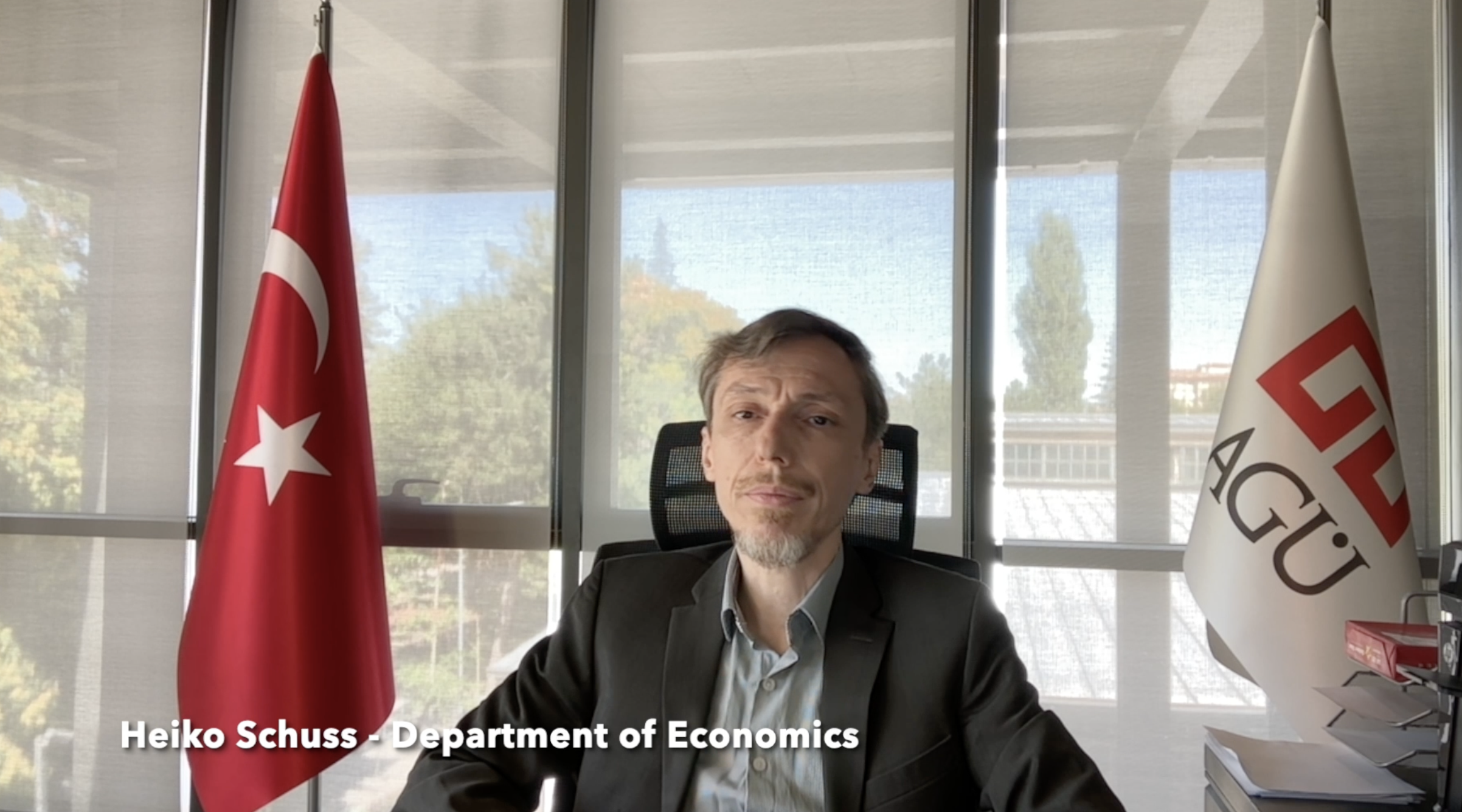
Meat Consumption, Vegetarianism and Alternative Proteins in the Muslim World
The video examines the environmental, ethical, and economic challenges associated with meat and animal-product consumption, including climate change, biodiversity loss, resource use, and animal welfare. It explores these issues specifically within the Muslim world, considering Islamic principles of compassion toward animals, moderation in consumption, and humanity’s responsibility as stewards of the environment. The lecture discusses vegetarianism and veganism as possible responses, while also highlighting emerging alternative proteins such as cultured meat, which may offer a more sustainable and potentially halal option in the future.
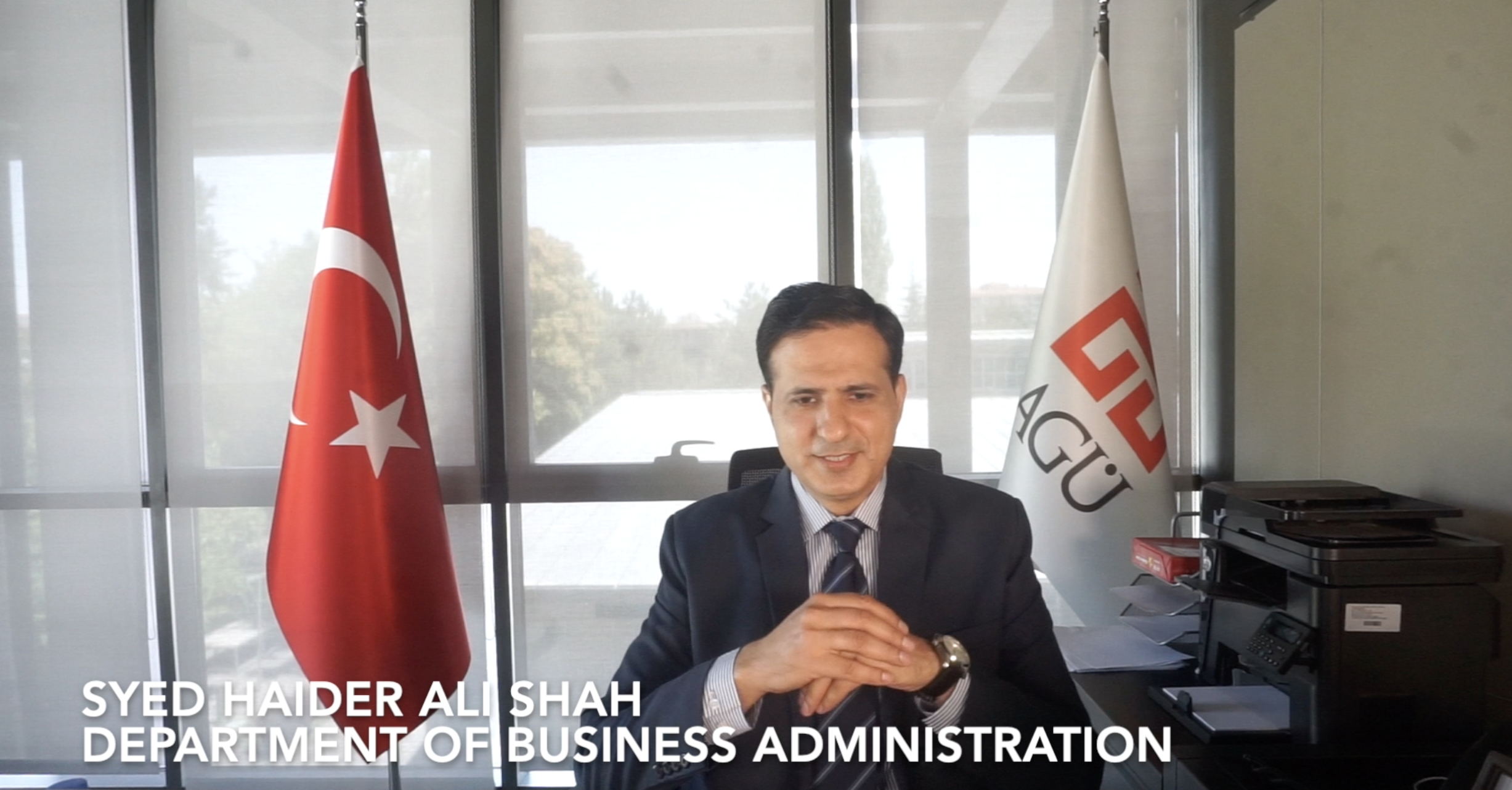
Artificial Intelligence: Will It Replace Humans or Enpower Them?
The video explores the relationship between artificial intelligence, human potential, and the future of work, arguing that AI should complement rather than replace human judgment, curiosity, responsibility, and creativity. It highlights the need for continuous upskilling and AI literacy as organizations increasingly adopt AI, while emphasizing that AI remains a valuable research assistant rather than an independent researcher. The lecture also examines AI’s potential to support sustainability across industries, from reducing waste in hospitality to improving resource efficiency, and introduces a human-centered framework focused on upskilling, fairness, accountability, and benefits for people and the planet. Ultimately, the speaker argues that responsible AI adoption, combined with quality education and strong human values, can help technology support sustainable development and create a better future.
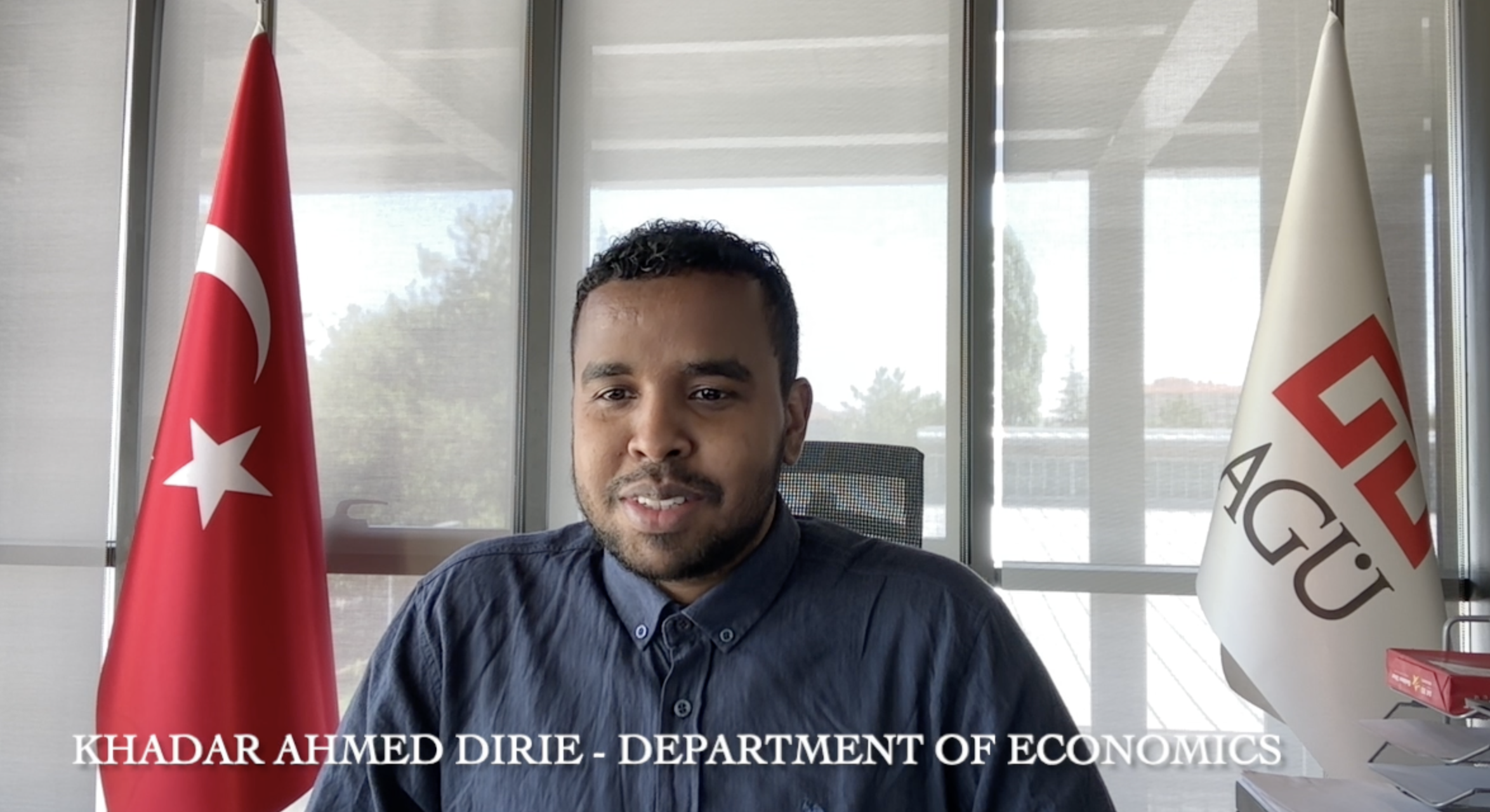
Islamic Economics and Finance
The video explores whether faith, and particularly Islamic economics, can offer alternative approaches to some of today’s major global economic challenges, including inequality, poverty, debt, climate change, and the housing crisis. It contrasts the limitations of existing economic models with an Islamic economic framework centered on three pillars: wealth creation, wealth protection, and wealth distribution. The lecture highlights mechanisms such as zakat, charitable giving, waqf, interest-free lending, and inheritance rules as tools for promoting broader participation and a more equitable distribution of wealth. It concludes by suggesting that Islamic economics deserves greater consideration as an alternative framework for addressing ongoing global economic challenges.